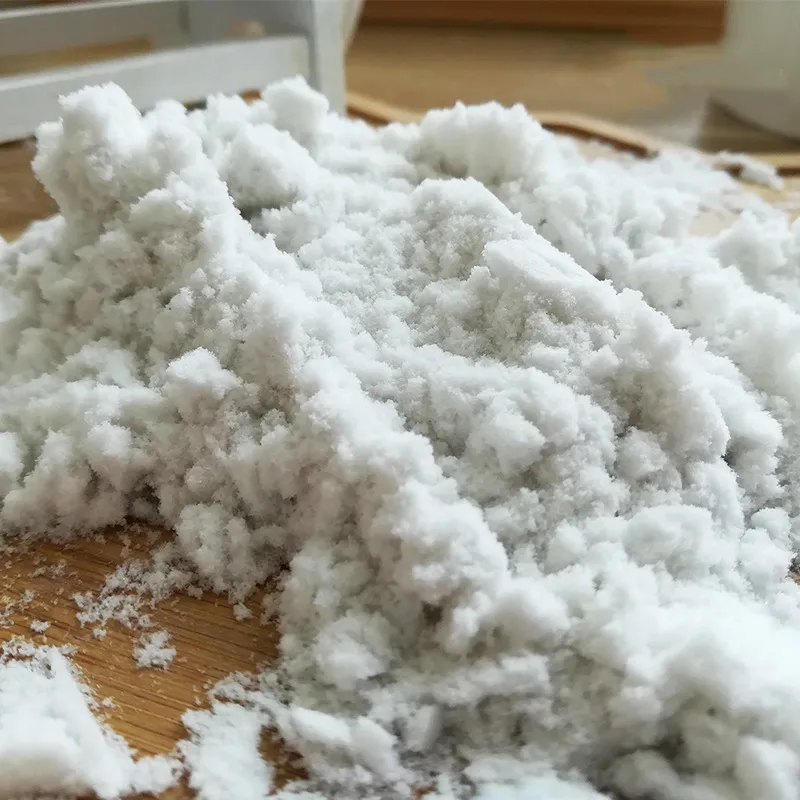
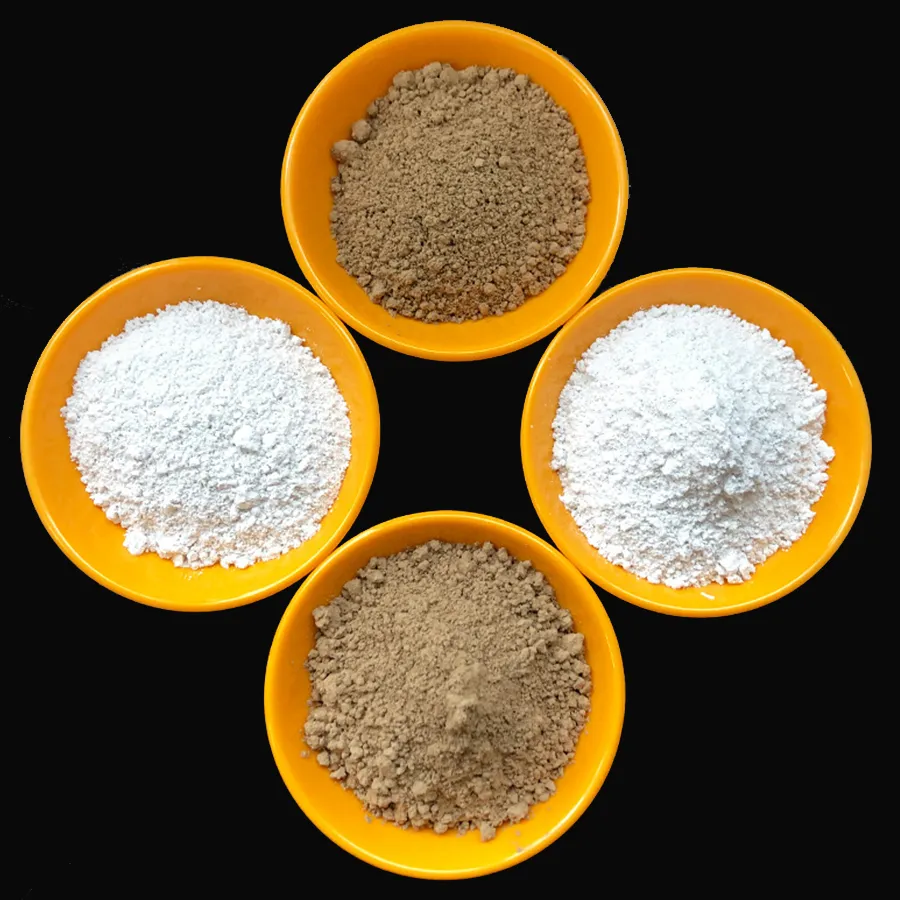
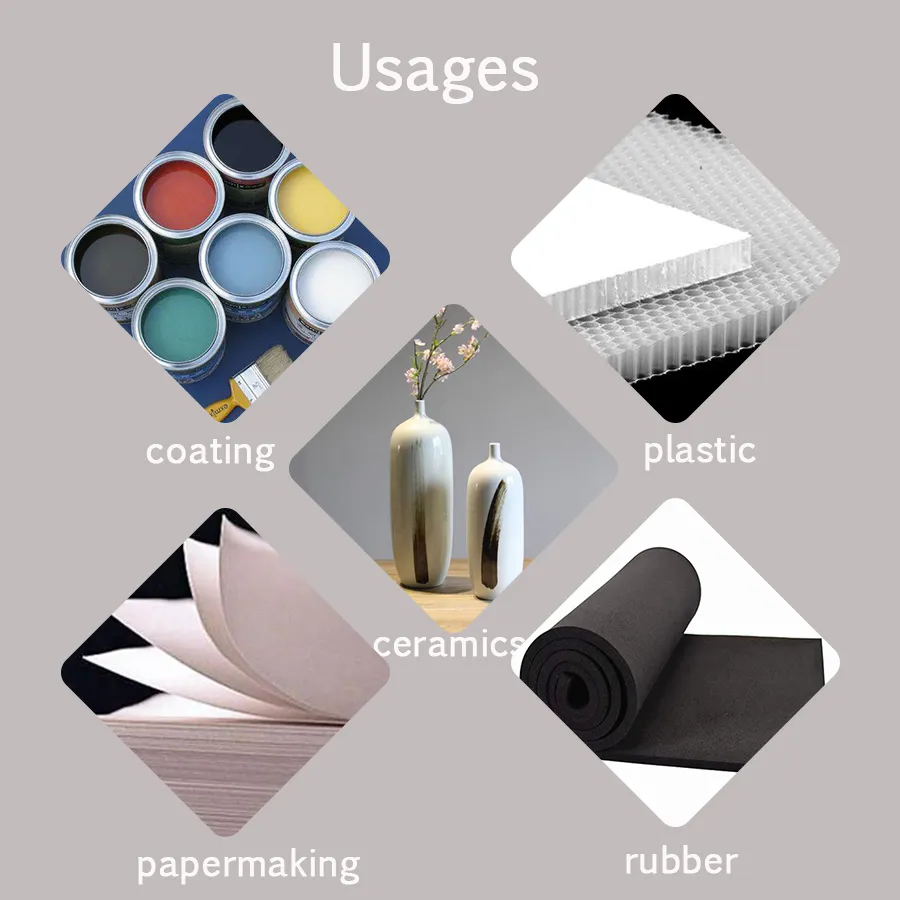
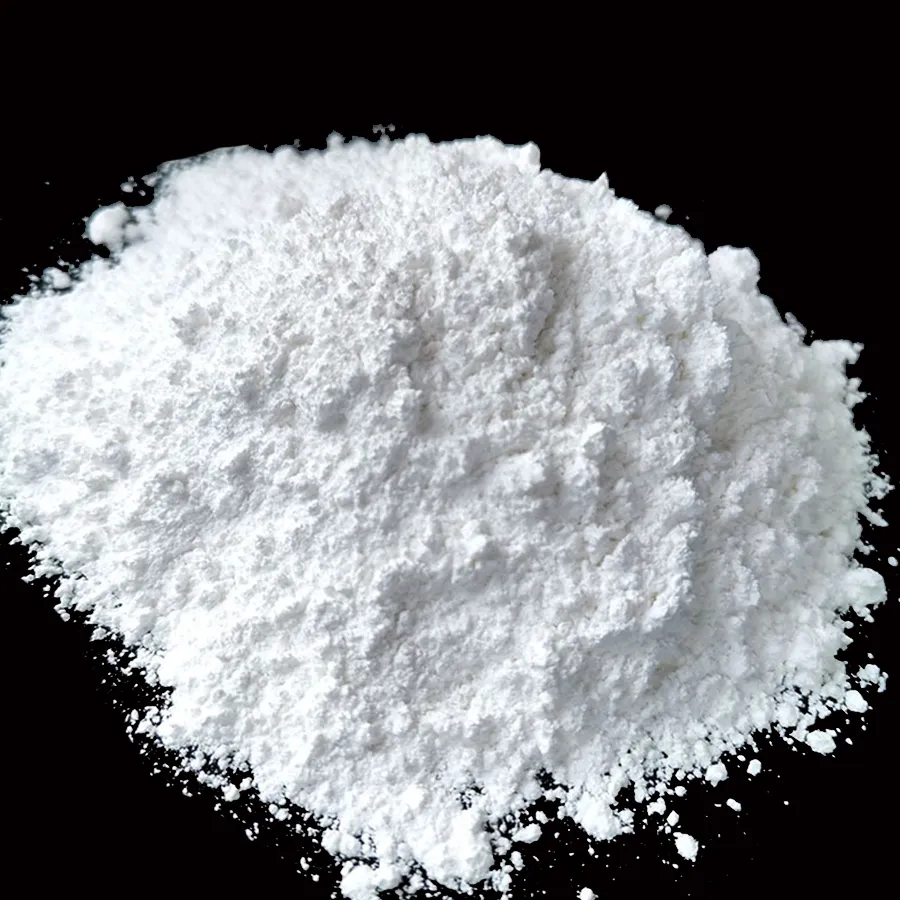
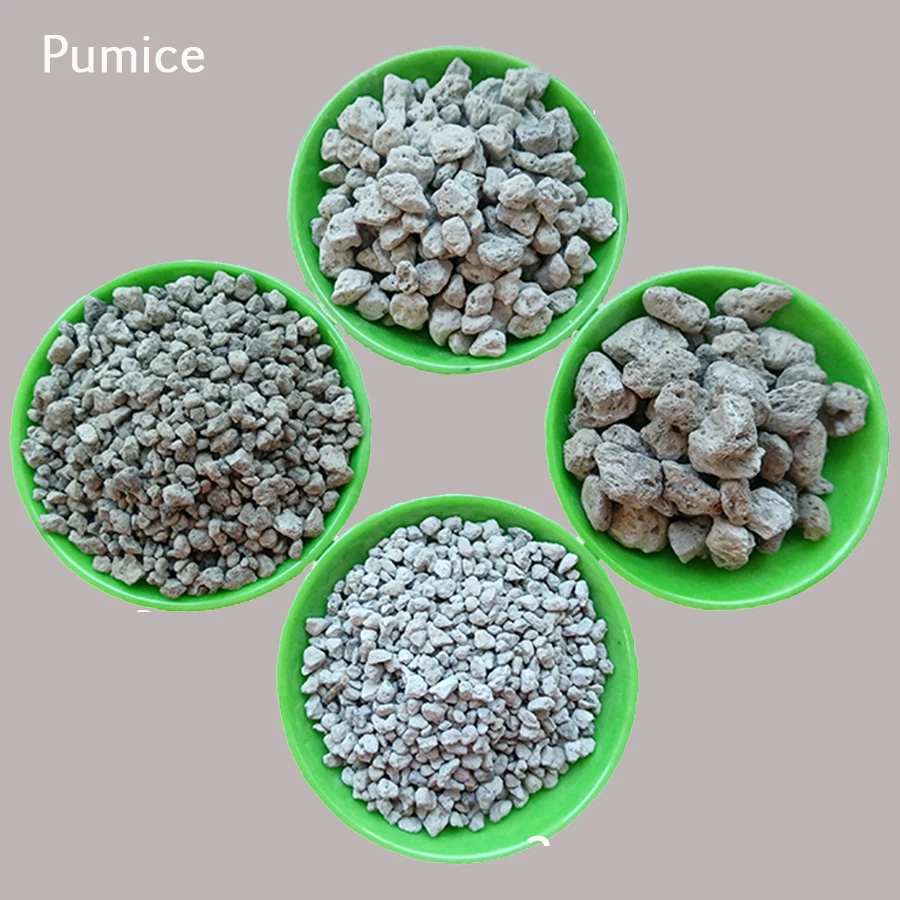
Understanding Pumice: Industry Trends and Applications Pumice , a highly porous volcanic rock, plays a critical role across a myriad of industrial applications due to its unique physical and chemical properties. Derived from rapidly cooling lava, its cellular structure and low density make it an invaluable material in sectors ranging from construction and horticulture to personal care and water treatment. The global market for pumice is experiencing steady growth, driven by increasing demand for sustainable and lightweight materials, particularly in green building initiatives and advanced filtration systems. Current industry trends highlight a significant shift towards environmentally friendly solutions. As regulations tighten and corporate social responsibility becomes a core tenet, the inert, non-toxic, and naturally abundant nature of Pumice positions it as a preferred material over synthetic alternatives. Innovations in processing technology are further expanding its utility, allowing for finer grading and specialized surface treatments to meet precise industrial specifications. The demand for lightweight aggregates in concrete, high-performance abrasives, and advanced media for municipal and industrial wastewater treatment plants continues to fuel this expansion. Market analysis indicates a Compound Annual Growth Rate (CAGR) of approximately 4.5% for the global pumice market from 2023 to 2030, largely influenced by infrastructure development in emerging economies and the adoption of advanced filtration technologies worldwide. The adaptability of Pumice , from an effective filtration medium to a component enhancing concrete's thermal and acoustic properties, underscores its versatile potential and sustained relevance in a rapidly evolving industrial landscape. Detailed Process Flow of Pumice Production The production of industrial-grade Pumice involves a meticulous process to ensure consistency, purity, and adherence to specific technical parameters. Our commitment to quality begins at the source and extends through every stage of processing, ensuring the final product meets stringent industry standards for target applications such as petrochemical, metallurgy, and water supply & drainage systems. Manufacturing Process Steps: Mining and Extraction: High-quality pumice deposits are identified and extracted using surface mining techniques. Care is taken to minimize contamination from overburden and other minerals. The raw material, primarily sourced from recent volcanic eruptions, is inherently pure, consisting mainly of amorphous aluminum silicate. Primary Crushing: Large blocks of raw Pumice are fed into jaw or gyratory crushers to reduce their size to manageable fragments, typically less than 150mm. This initial reduction facilitates subsequent processing. Secondary Crushing and Grinding: The crushed material undergoes further size reduction using cone crushers or impact crushers, followed by grinding mills (e.g., ball mills, roller mills) to achieve desired particle size distributions for various grades. This precision is critical for applications requiring fine powders or specific aggregate sizes. Screening and Classification: The ground Pumice is then passed through multi-deck vibratory screens. This process meticulously separates the material into various granulometric fractions (e.g., 0-1mm, 1-3mm, 3-6mm, etc.) based on mesh size. Air classification might be employed for very fine powders to ensure precise separation. Washing and Drying: For applications demanding high purity, such as water filtration or cosmetics, the screened Pumice may undergo washing to remove fine dust and soluble impurities. This is typically followed by rotary drying to reduce moisture content to specified levels, often below 1%. Quality Control and Testing: Throughout the entire process, rigorous quality control measures are implemented. Samples are regularly taken and subjected to laboratory analysis for particle size distribution (PSD), bulk density, specific gravity, porosity, chemical composition, and other critical parameters. Packaging: The finished Pumice product is packaged in various formats, including bulk bags (FIBCs), paper sacks, or bulk truck/rail delivery, depending on client requirements and logistical considerations. Testing Standards and Service Life: Our products adhere strictly to international testing standards, including ISO 9001 for quality management systems, ASTM E11 for particle size analysis, and specific industry standards such as AWWA B100 for filter media. The inherent inertness and chemical stability of Pumice grant it an exceptional service life, often exceeding decades in applications like filtration or as a lightweight aggregate, significantly reducing maintenance and replacement costs. Its resistance to chemical degradation and biofouling is a key advantage. Advantages in Typical Application Scenarios: Energy Saving: In lightweight concrete and insulation boards, Pumice 's cellular structure significantly improves thermal insulation properties, leading to reduced energy consumption for heating and cooling in buildings. Corrosion Resistance: As an inert filter media, Pumice exhibits excellent resistance to corrosive chemicals commonly found in industrial wastewater, ensuring longevity and consistent performance without material degradation. Reduced Structural Load: In civil engineering, using pumice as an aggregate dramatically reduces the dead load of concrete structures, allowing for lighter foundations and potentially larger spans, offering significant cost savings. Technical Specifications and Parameters of Industrial Pumice Understanding the precise technical specifications of Pumice is paramount for its effective deployment in B2B applications. Our products are rigorously analyzed to ensure they meet the specific performance criteria required by various industries. Below is a detailed overview of key parameters. Key Physical and Chemical Properties: Granulometry: Critical for filtration, abrasives, and aggregates. We offer various grades, from fine powders (<45 microns) to coarse aggregates (up to 25mm), tailored to application. Bulk Density: Extremely low, typically ranging from 450 to 900 kg/m³ for dry, loose material. This property is crucial for lightweight concrete and soil amendments. Specific Gravity: Apparent specific gravity ranges from 2.3 to 2.5, while saturated surface-dry specific gravity can be much lower due to porosity, often 1.2-1.8. Porosity: Highly porous, with interconnected vesicular structures. Total porosity can exceed 60%, with significant open porosity, vital for adsorption and filtration. Hardness (Mohs Scale): Typically 5.5 to 6.0, providing effective abrasive properties without being excessively harsh, making it suitable for polishing and denimsandblasting. Chemical Composition: Predominantly amorphous aluminum silicate. Common oxides include SiO2 (65-75%), Al2O3 (10-15%), Fe2O3 (1-3%), K2O (3-5%), Na2O (3-5%), CaO (1-3%). This inert composition ensures chemical stability. pH: Neutral, typically between 6.5 and 7.5, making it suitable for sensitive applications like horticulture and water treatment. Representative Product Specification Table: Parameter Unit Value Range (Typical Industrial Grade) Test Standard Particle Size (D50) microns / mm Customizable (e.g., 200 µm to 6 mm) ASTM E11 / ISO 3310-1 Bulk Density (Dry, Loose) kg/m³ 500 - 850 ASTM C29 Specific Gravity (Apparent) - 2.3 - 2.5 ASTM C128 Total Porosity % 60 - 85 ASTM C693 Water Absorption (24hr) % by weight 10 - 25 ASTM C128 Mohs Hardness - 5.5 - 6.0 Standard Mineral Hardness Test SiO₂ Content % 68 - 74 XRF Analysis Al₂O₃ Content % 12 - 16 XRF Analysis Moisture Content % Typically < 1 (for dry products) ASTM D2216 These detailed specifications ensure that our Pumice products are precisely matched to the demands of specific industrial applications, guaranteeing optimal performance and reliability. Custom analytical reports are available upon request for specific batches. Application Scenarios and Industry Use Cases for Pumice The unparalleled versatility of Pumice stems from its unique combination of properties: high porosity, chemical inertness, low density, and mild abrasiveness. This allows for its integration into diverse industrial and commercial applications, delivering significant performance enhancements and cost efficiencies. Key Application Areas: Water and Wastewater Treatment: Fine to medium grades of Pumice are exceptional filter media. Its high surface area and porous structure enable efficient mechanical filtration of suspended solids and biological treatment through biofilm growth. It's widely used in municipal drinking water plants, industrial effluent treatment, and greywater recycling systems. Its light weight reduces backwash energy consumption, making it an energy-efficient choice. Lightweight Aggregates in Construction: As a lightweight aggregate (LWA), Pumice significantly reduces the dead weight of concrete and masonry products. This is critical for high-rise buildings, long-span bridges, and precast elements, where structural load reduction is paramount. Pumice concrete exhibits superior thermal and acoustic insulation properties, contributing to energy-efficient and quieter buildings. Horticulture and Agriculture: Its excellent water retention and aeration properties make Pumice an ideal soil amendment and hydroponic growth medium. It improves drainage in heavy soils, retains moisture in sandy soils, and provides an inert, stable environment for root development, reducing irrigation frequency and promoting healthier plant growth. Abrasives and Polishing: Due to its friable, angular structure and moderate hardness, fine Pumice powder is utilized in various abrasive applications, including industrial cleaners, polishing compounds for metals and plastics, and as a key component in denim stonewashing processes, providing a uniform, distressed look without harsh chemical treatments. Chemical and Petrochemical Industry: In these sectors, Pumice is employed as a catalyst support, an inert filler, or as an absorption medium for spills due to its chemical stability and adsorptive capabilities. Its high thermal resistance also makes it suitable for high-temperature applications. Cosmetics and Personal Care: Micronized Pumice is a natural, gentle exfoliant in skincare products, scrubs, and toothpastes. Its fine, uniform particles effectively remove dead skin cells and polish surfaces without causing irritation or micro-tears. These diverse applications underscore the critical role Pumice plays in modern industry. Its sustainable origin and multi-functional properties provide a competitive advantage over many synthetic or energy-intensive alternatives, aligning with current demands for efficiency and environmental responsibility. Technical Advantages of Utilizing Pumice The adoption of Pumice in industrial processes is driven by a distinct set of technical advantages that translate into significant operational and economic benefits. These attributes address critical challenges across various sectors, from enhancing product performance to optimizing process efficiency. Superior Porosity and Surface Area: The highly vesicular (cellular) structure of Pumice provides an enormous internal surface area. This property is crucial for its efficacy as a filter medium, adsorbent, and catalyst support. In water treatment, it allows for high solids retention and efficient biological film colonization, leading to higher filtration rates and extended run times compared to traditional sand or gravel filters. Exceptional Lightweight Properties: With a bulk density significantly lower than most aggregates, Pumice dramatically reduces the weight of materials it's incorporated into. This is a primary driver in lightweight concrete, where it cuts structural load, reduces foundation requirements, and lowers transportation costs. For horticultural substrates, it makes handling and shipping easier. Chemical Inertness and Durability: As a naturally occurring silicate mineral, Pumice is chemically stable and resistant to most acids, bases, and organic solvents. This inertness ensures long-term performance in corrosive environments, such as industrial chemical processing or wastewater treatment, minimizing degradation and release of undesirable contaminants. Its physical durability also means a longer service life in abrasive or high-wear applications. Excellent Thermal and Acoustic Insulation: The trapped air within Pumice 's porous structure makes it an outstanding insulator. When incorporated into building materials, it significantly improves thermal resistance (lowering U-values) and provides superior sound dampening. This directly contributes to energy savings and enhanced occupant comfort in residential and commercial constructions. Optimal Abrasive Characteristics: Its amorphous, angular, yet friable nature provides controlled abrasive action. Unlike harder, crystalline abrasives, Pumice particles fracture into smaller, rounded particles under pressure, reducing scratching and surface damage while effectively removing material. This makes it ideal for delicate polishing, cleaning, and surface preparation tasks. Environmental Sustainability: Sourced from natural volcanic deposits, Pumice is an abundant and renewable resource. Its use promotes sustainable practices by reducing reliance on manufactured, energy-intensive alternatives and contributes to circular economy models in construction and agriculture. These technical attributes collectively position Pumice as a high-performance, cost-effective, and environmentally responsible material solution for a broad spectrum of industrial challenges. Vendor Comparison: Choosing the Right Pumice Supplier Selecting the right supplier for industrial Pumice is a critical decision that impacts product quality, operational efficiency, and supply chain reliability. While price is always a factor, a holistic evaluation of a vendor's capabilities, quality assurance, and support services is essential for long-term success. Key Differentiating Factors: Product Quality & Consistency: The purity, specific gravity, particle size distribution, and chemical composition of Pumice can vary significantly between sources and processing methods. A reputable vendor ensures consistent quality batch-to-batch, minimizing deviations that could impact your end product or process. Look for ISO 9001 certifications and comprehensive QC documentation. Processing Capabilities & Customization: Can the vendor provide specific grades, unique particle sizes, or even custom blends? Advanced processing capabilities, including precision grinding, screening, and washing, are indicative of a vendor's ability to meet diverse industrial needs. Supply Chain & Logistics: Reliability of supply, lead times, and logistical flexibility are paramount. Evaluate the vendor's ability to handle large volumes, provide just-in-time delivery, and offer various packaging options (e.g., bulk, super sacks). Technical Support & R&D: A strong vendor provides expert technical support to help you optimize Pumice application in your processes. R&D capabilities indicate a commitment to innovation and problem-solving, offering solutions for emerging industrial challenges. Certifications & Compliance: Adherence to international standards (e.g., ISO, ASTM, AWWA) and relevant industry-specific certifications (e.g., for food-grade applications, environmental compliance) demonstrates a commitment to quality and safety. Pumice Vendor Comparison Table: Feature/Criterion Vendor A (Premium) Vendor B (Mid-Tier) Vendor C (Budget) Product Consistency (PSD & Purity) Excellent (Tightest tolerances) Good (Minor batch variation) Variable (Broader tolerances) Customization Options Extensive (Tailored grades, blends) Limited (Standard grades only) Minimal (Off-the-shelf) Certifications & QA ISO 9001, ASTM, AWWA, regular audits Basic ISO 9001, internal QC Minimal or self-declared Technical Support Dedicated team, R&D collaboration Basic product data sheets No dedicated support Lead Time (Typical) 1-2 weeks 2-4 weeks 4+ weeks or as available Pricing Strategy Value-based, premium Competitive, mid-range Cost-focused, lowest bid Our position as a leading supplier of industrial Pumice is built on a foundation of rigorous quality control, extensive processing capabilities, and a commitment to customer success. We strive to offer the highest levels of consistency, customization, and technical partnership, aligning with the "Vendor A" profile in this comparison to deliver maximum value to our B2B clients. Customized Solutions with Pumice Recognizing that every industrial application has unique requirements, we specialize in providing highly customized Pumice solutions. Our engineering and R&D teams collaborate closely with clients to develop tailored products that optimize performance for specific challenges, going beyond standard off-the-shelf offerings. Our Customization Capabilities Include: Precision Granulometric Engineering: We can produce Pumice with specific particle size distributions (PSD) to meet exact filtration efficiency, flow rate, or abrasive intensity requirements. This might involve multi-stage grinding and advanced air classification techniques to achieve very tight D50, D90, or other percentile specifications. Surface Modification and Treatment: For certain applications, the surface chemistry or hydrophobicity of Pumice can be modified. This includes various coating technologies or chemical treatments to enhance adsorption capabilities, improve compatibility with specific matrices (e.g., polymer blends), or alter wetting characteristics. Custom Blending: We offer the capability to blend Pumice with other inert minerals or specialized additives to create composite materials with synergistic properties. For example, a blend might optimize a filter bed for both particulate removal and heavy metal adsorption, or create a lightweight aggregate with enhanced fire resistance. Specific Purity Levels: While naturally pure, some applications demand ultra-low levels of certain trace elements. Our advanced washing and purification processes can achieve exceptional purity levels to meet stringent requirements for sensitive industries like pharmaceuticals or high-tech manufacturing. Packaging Tailoring: From bulk tonnage to specific bag sizes or specialized container111s, we can adapt our packaging to integrate seamlessly into your logistics and production lines, optimizing material handling and minimizing waste. Our collaborative approach ensures that the customized Pumice solution not only meets technical specifications but also aligns with operational efficiencies and cost targets. This strategic partnership allows clients to leverage the full potential of Pumice for their most demanding and innovative projects. Application Case Studies: Pumice in Action Real-world success stories demonstrate the tangible benefits and proven performance of Pumice in challenging industrial environments. Our partnerships with leading companies across various sectors underscore our product's efficacy and our commitment to client satisfaction. Case Study 1: Municipal Water Treatment Plant Upgrade A major municipal water treatment plant faced increasing demand and struggled with aging sand filters experiencing frequent backwashes and suboptimal turbidity removal. After extensive pilot testing, they opted to replace their conventional sand and anthracite filter media with a multi-layer system incorporating our coarse and medium-grade Pumice . Challenge: Inefficient filtration, high backwash water consumption, limited capacity. Solution: Implemented a Pumice -based dual-media filter system. Results: 30% increase in filter run times between backwashes. 15% reduction in backwash water consumption (energy and cost savings). Improved turbidity removal efficiency, consistently meeting stringent regulatory standards. Positive feedback on reduced operational complexity and extended media lifespan. Case Study 2: Green Building Project – Lightweight Concrete A prominent developer embarking on a LEED-certified high-rise building project sought to reduce the structural load and enhance the thermal performance of their concrete elements. They collaborated with us to formulate a custom lightweight concrete mix using our fine and medium-grade Pumice aggregates. Challenge: Minimize building weight, improve energy efficiency, meet sustainability goals. Solution: Integrated specially graded Pumice as a partial replacement for conventional aggregates. Results: 20% reduction in concrete density, leading to lighter structural elements and reduced foundation costs. 35% improvement in thermal resistance (lower U-value) of exterior walls, contributing to significant energy savings over the building's lifespan. Achieved higher LEED points for material sustainability and energy performance. Architectural review noted enhanced aesthetic properties of the exposed concrete. These cases illustrate the profound impact of well-specified Pumice products in delivering measurable improvements and sustainable advantages for our industrial partners. Frequently Asked Questions (FAQ) about Pumice Q1: Is Pumice a sustainable material? A1: Yes, Pumice is a naturally occurring volcanic glass formed during explosive volcanic eruptions. It is an abundant, inert, and non-toxic mineral resource, making it an excellent choice for sustainable applications in various industries, reducing the reliance on more energy-intensive, manufactured materials. Q2: How does Pumice compare to other filter media like sand or activated carbon? A2: Pumice offers distinct advantages. Its lower density means filter beds are lighter, requiring less energy for backwashing. Its highly porous, angular structure provides a larger surface area and superior interstitial void space, leading to higher solids loading capacity and longer filter run times compared to sand. While activated carbon offers advanced adsorption for specific contaminants, Pumice excels in mechanical filtration and biofiltration due to its inert nature and ideal surface for biofilm attachment. Q3: Can Pumice be used in high-temperature applications? A3: Absolutely. As a volcanic material, Pumice exhibits excellent thermal stability and resistance to high temperatures, typically with a softening point above 900°C (1650°F). This makes it suitable for refractory applications, as an insulating aggregate, and in processes where thermal cycling is common. Q4: What is the typical lead time for large orders of industrial Pumice? A4: For standard industrial grades, our typical lead time is 1-3 weeks, depending on order volume and destination. For customized grades or very large project orders, lead times may extend to 4-6 weeks to accommodate specific processing requirements. We maintain substantial inventory and optimized logistics to ensure timely delivery. Q5: What kind of warranty or quality guarantee do you offer for your Pumice products? A5: We stand behind the quality of our Pumice with a comprehensive product warranty, guaranteeing that our materials meet all specified technical parameters and industry standards at the point of delivery. Our products are accompanied by Certificates of Analysis (CoA) for each batch, confirming adherence to specifications. Any material found not to meet these specifications will be replaced or refunded in accordance with our terms of sale. Lead Time, Warranty, and After-Sales Support Our commitment to our B2B clients extends beyond product delivery to comprehensive support and reliable logistics. We understand that timely fulfillment and robust after-sales service are critical to your operations. Lead Time and Fulfillment: We maintain significant stock levels of popular industrial Pumice grades to facilitate rapid dispatch. For standard orders, typical lead times range from 7 to 14 business days from order confirmation to shipment, subject to destination and shipping method. For custom-tailored solutions or very high-volume requirements, a detailed production and logistics schedule will be provided upfront, usually ranging from 3 to 6 weeks. Our logistics team works diligently to ensure efficient and trackable delivery worldwide, leveraging established partnerships with freight carriers. Warranty Commitments: All our Pumice products are supplied with a full warranty covering material quality and adherence to agreed-upon specifications. Each batch undergoes stringent quality control and is accompanied by a Certificate of Analysis (CoA) detailing key parameters. In the unlikely event that a product does not meet the specified standards, we guarantee prompt investigation, replacement, or appropriate compensation, in line with our quality assurance protocols and contractual agreements. Our goal is 100% customer satisfaction through consistent product excellence. Customer Support and Technical Assistance: Our dedicated customer support and technical assistance teams are available to provide comprehensive pre-sales consultation and post-sales support. This includes: Application Engineering: Assistance in selecting the optimal Pumice grade and specification for your unique process requirements. Troubleshooting: Expert advice and support for any operational challenges related to the integration or performance of our products. Documentation: Provision of technical data sheets, safety data sheets (SDS), and certification documents. Training: Where applicable, we can provide training on best practices for handling and utilizing Pumice effectively. We pride ourselves on building long-term partnerships based on trust, reliability, and unparalleled service. Our team is accessible via phone, email, and dedicated account managers to ensure your needs are met promptly and effectively. References ASTM International. (2022). Various Standards for Aggregates and Filtration Media. ASTM E11, ASTM C29, ASTM C128, ASTM C693, ASTM D2216. www.astm.org ISO. (2021). Quality Management Systems – Requirements. ISO 9001:2015. www.iso.org American Water Works Association (AWWA). (2018). Filter Material. AWWA B100-18. www.awwa.org Mindat.org. (2023). Pumice mineral data. www.mindat.org United States Geological Survey (USGS). (2023). Mineral Commodity Summaries: Pumice and Pumicite. www.usgs.gov/minerals/pubs/commodity/pumice